
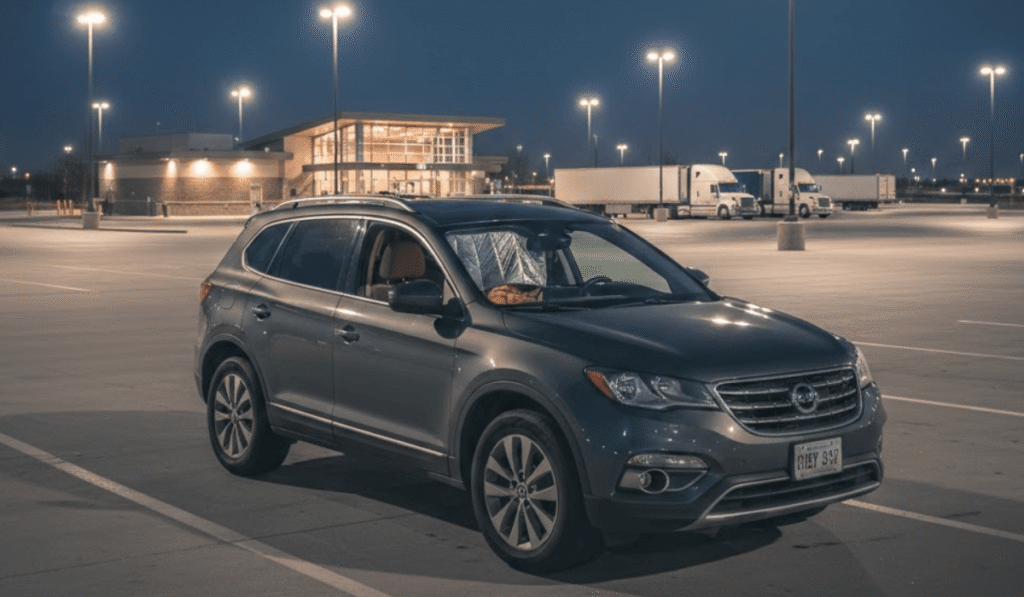
Let’s be honest — road trips aren’t always glamorous. Sometimes you’re 600 miles from your destination, it’s 11 PM, and you’re weighing whether to pay $120 for a motel or just pull into a rest area and sleep in the car for a few hours. It’s a completely reasonable thing to consider; millions of people do it every year, and for the most part, it works fine. But there are real rules, real safety considerations, and real differences between states. Here’s the straight story on overnight rest area parking.
Is It Legal to Sleep at a Rest Area?
Generally speaking, yes — but with time limits. Most states that allow overnight parking at rest areas cap it at somewhere between 8 and 10 hours. The idea is that rest areas are for rest, not long-term camping or parking. As long as you’re moving on within that window, you’re usually fine.
That said, a handful of states are more restrictive. California, for instance, limits rest area stays to 8 hours. Some states post signs explicitly prohibiting overnight parking. And a few rest areas in heavily traveled corridors post attendants who enforce time limits more actively than others.
The safest approach is to check the posted signs when you arrive and not overstay your welcome. If a rest area says no overnight parking, take that at face value — getting a knock on your window from a state trooper at 3 AM is nobody’s idea of a good night’s sleep.
State-by-State Breakdown: The General Rules
States that are generally rest-area-overnight-friendly include Florida, Texas, Tennessee, Virginia, and most of the Midwest. These states have longer or more lenient time limits and tend to have more rest areas with good lighting and facilities.
More restrictive states include California (8-hour limit enforced at some locations), New York (limited facilities, no clear overnight policy at many stops), and some New England states, where rest areas are sparse, and rules vary by facility.
For the most accurate current info, check the state DOT website before your trip or look up the specific rest area on apps like iExit, where user reviews often mention enforcement and time limits.
How to Pick a Safe Spot for the Night
Not all rest areas are equal for overnight stays. Here’s what to look for: good lighting throughout the parking area, other vehicles already parked — especially trucks, which is almost always a good sign — and proximity to the main building so you’re not isolated.
Avoid rest areas that are poorly lit, have very few other cars, or feel run-down. Your instincts matter here. If you pull in and something feels off, trust that feeling and drive to the next stop. An extra 20 miles is worth it for peace of mind.
Park in a visible area near other vehicles, not at the far edge of an empty lot. Keep your doors locked, and windows cracked only slightly. Have your phone charged. And let someone — a friend, a family member — know your approximate location.
Practical Tips for a Decent Night’s Sleep in the Car
Bring a blanket and a small pillow if you’re planning to sleep in the car — comfort matters for actually getting rest. Recline your seat as far as it goes, or if you have an SUV or wagon, fold the seats flat and sleep in the back.
Use a window shade or a sleep mask to block light. Rest area lighting is designed to keep things safe, which means it’s bright and pointed directly at your windshield. A $10 sunshade from a gas station is worth every penny at midnight.
Set an alarm. Rest area time limits mean you need to be moving on at a reasonable hour. Plan for a 5 to 6-hour sleep window, and you’ll stay within limits at most locations.
Alternatives If the Rest Area Won’t Work
If you find a rest area that prohibits overnight parking or that doesn’t feel safe, your alternatives are a nearby Walmart (many allow overnight parking in their lots — call ahead to confirm), a truck stop like Pilot or Love’s (generally very accommodating for overnight stays), a 24-hour diner parking lot (ask inside first), or just biting the bullet on a budget motel.
For planning your overnight stop options in advance, restareasnearme.com can help you identify rest areas along your route. Pair that with some quick research on truck stop locations, and you’ll always have a plan B.