
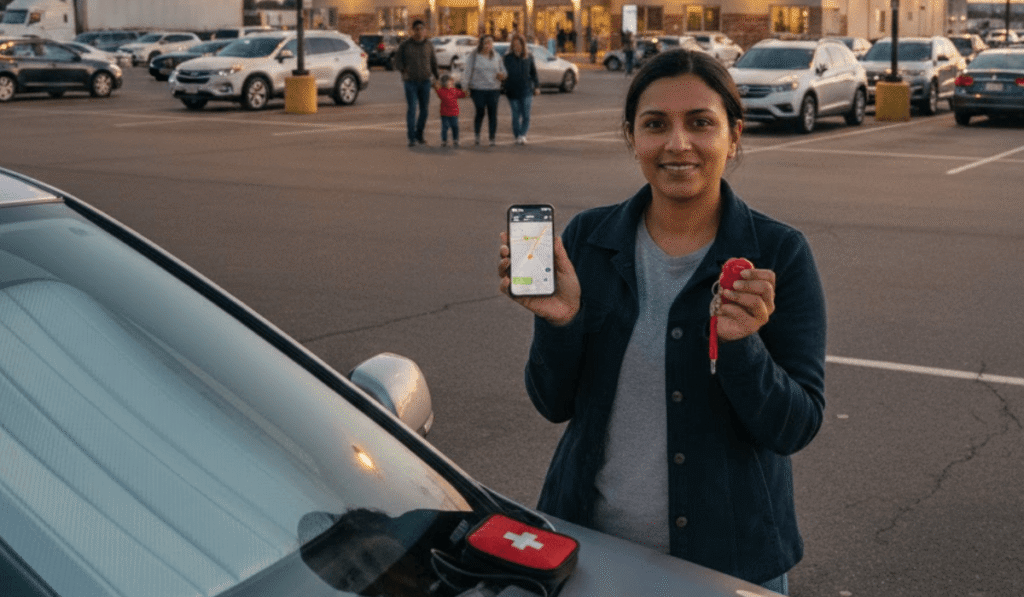
Solo road trips as a woman are one of the most liberating, empowering things you can do. There is something genuinely transformative about having a full tank of gas, a good playlist, and nowhere to be but wherever the road takes you. And rest areas are part of that journey — a necessary, normal part of driving that doesn’t need to be stressful. With a little preparation and some smart habits, stopping at rest areas alone can feel completely comfortable. Here’s the real-talk guide to doing it confidently.
How to Evaluate a Rest Area Before You Commit to Stopping
As you pull off the exit, take 30 seconds to read the situation before you park and get out. What’s your first impression? Is the lot well-lit? Are there other cars — ideally a mix of families, couples, and truckers? Is the main building visible and open?
A busy, well-lit rest area with multiple vehicles is almost always fine. A dark, nearly empty rest area at 1 AM in the middle of nowhere deserves more caution. You’re not being paranoid — you’re reading the environment the same way any experienced traveler would.
If something feels off when you pull in, you don’t owe it to anyone to stay. It costs nothing to drive to the next exit. Trust your gut — it’s usually right.
Best Times to Stop and Why It Matters
Daytime stops — between 7 AM and 8 PM — are the most comfortable and the easiest to evaluate. Lots of traffic, families with kids, and daylight make reading a rest area’s vibe much simpler.
Late evening and overnight stops require more intentionality. If you’re driving at night, prioritize rest areas that are near a truck stop or that have consistent truck traffic. Professional drivers are out there because they have to be; they know the road, and their presence is generally a sign of a legitimate, safe location.
Avoid stopping at rest areas that are undergoing construction or that are posted as partially closed. Reduced lighting and fewer people create conditions you don’t need to deal with alone.
Apps and Tools That Give You an Edge
iExit is the most useful app for solo road trippers. It shows you what’s at each upcoming exit — rest areas, gas stations, restaurants — and includes user reviews that often mention safety, lighting, and facility quality. Reading three or four recent reviews before you commit to a stop takes 60 seconds and gives you real information.
The Roadtrippers app is great for overall planning and lets you mark waypoints, including rest stops. Some solo female travel communities — like the r/solotravel subreddit and Facebook groups like Women Who Travel — are excellent resources for firsthand recommendations on safe stops along specific routes.
For actual emergencies, know that most rest areas have emergency call boxes. And keep your phone charged — a portable battery bank is not optional when you’re traveling alone.
What to Keep in Your Car
A few items make solo stops significantly more comfortable and safer. A personal alarm — a small keychain device that emits a piercing sound when activated — is lightweight, inexpensive, and requires no training to use. Door stop alarms are useful if you’re sleeping in your car at a rest area: they prevent the door from being opened from outside and trigger an alarm if someone tries.
A charged power bank, a first aid kit, jumper cables or a jump starter, and a flashlight are the basics. Add a window shade if you plan to nap in your car — it gives you privacy and keeps the car cooler.
Park in well-lit spots near other vehicles, not at the isolated end of the lot. And when you go inside, take your valuables with you — purse, phone, anything visible through a window.
Community Wisdom From Women Who Road Trip Alone
Women who road trip solo regularly share a few consistent pieces of advice: go to the restroom as soon as you arrive, not after sitting in the car for ten minutes while you scroll your phone. Don’t linger unnecessarily — do what you need, get back in the car, and keep moving if the vibe isn’t right.
Call or text someone your location when you stop somewhere unfamiliar. It takes ten seconds and means someone knows where you are. Share your live location with a trusted friend for the duration of a long solo drive.
And remember: millions of women drive alone safely every day. The road is yours. Plan smart, stay aware, and enjoy every mile of it.